
Every winter has its lean spells. This one has gone missing.
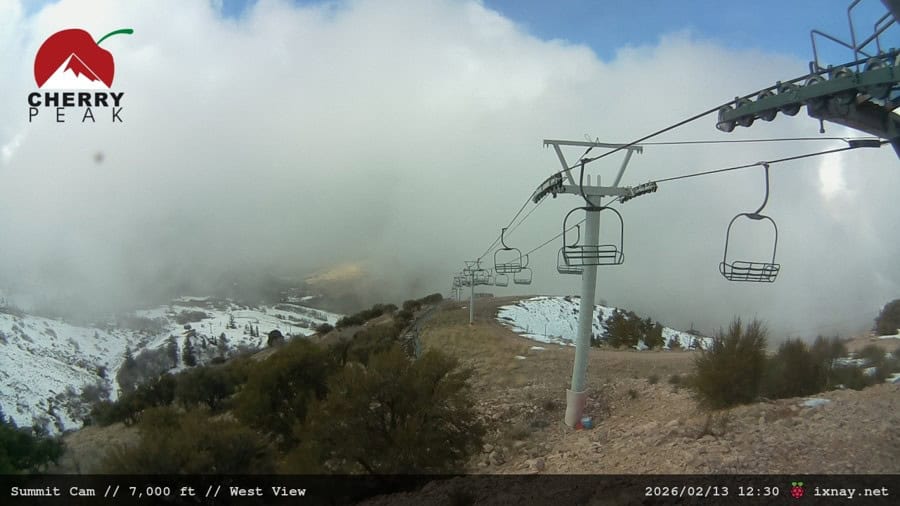
Across the western United States the 2026 ski season has not just underperformed, it has unravelled. Snowpack levels across huge parts of the Rockies and Pacific Northwest are the lowest ever recorded for this time of year. Not marginal. Not concerning. Record low.
A February update from the National Integrated Drought Information System confirmed Idaho, Utah, Colorado and Oregon are all sitting at historic lows. Idaho is carrying the worst snow drought in the Northern Rockies since records began in 1980. Oregon is not only at a record low, it is sitting roughly 30 percent below its previous worst mark. Utah and Colorado have the vast majority of their monitoring stations in snow drought.
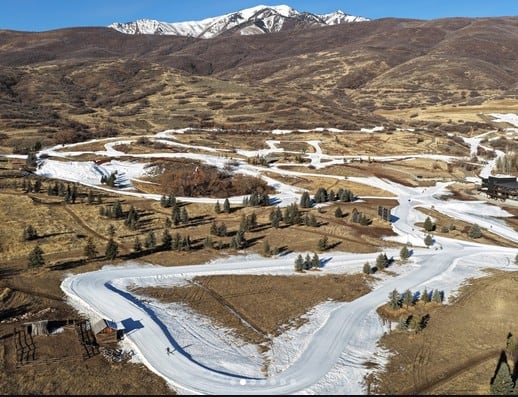
January normally rescues slow starts. This year it did the opposite. Warm, persistent high pressure and minimal precipitation stripped away what little base had formed. By early February more than 90 percent of western snow monitoring stations were below their median snow water equivalent. Over two thirds were below the 20th percentile. In practical terms, most of the American West is operating on fumes.
Scientists are not softening their language. The director of the National Snow and Ice Data Center described the pattern as something he has not seen in four decades working in Colorado. Senior climatologists have called the preceding warmth astonishing. That is measured language from cautious professionals.
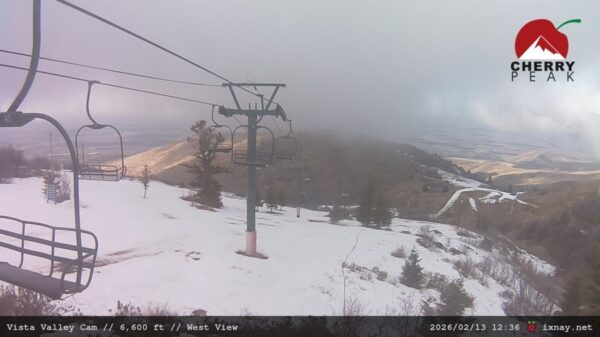
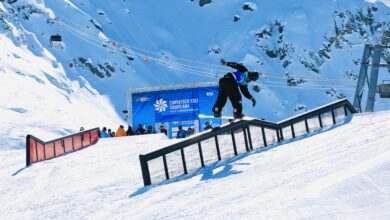
For ski resorts this has been commercially savage. Thin cover. Terrain closures. Heavy reliance on snowmaking. Shortened seasons. Add labour unrest at some mountains and a drop in international visitation and the equation becomes brutal. Resorts that trade on reliable winter product are taking a reputational hit alongside a financial one.
For New Zealanders this is not abstract. Utah, Colorado and Oregon remain bucket list destinations for northern hemisphere ski trips. Kiwis have been arriving to find limited terrain, springlike lower slopes and lift maps that look more theoretical than real. The traditional February and March sweet spot has not behaved like one.
There is a wider impact. When a North American winter fails, demand shifts. Travellers look to Japan, Europe and even shoulder season options in the southern hemisphere. That pushes pricing, compresses availability and changes global booking patterns. One broken US winter does not stay contained.
View this post on Instagram
The snow story is not just about skiing. More than two thirds of the Colorado River’s flow is fed by mountain snow. That river supplies around 40 million people, major agricultural regions, tribal nations and parts of Mexico. February’s water supply outlook for the basin is the worst in more than three decades.
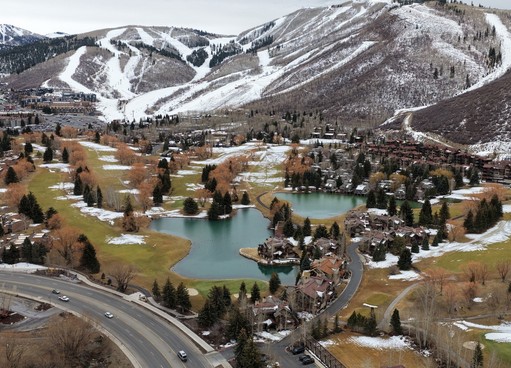
The National Oceanic and Atmospheric Administration has warned that warm conditions have forced snow to higher elevations while leaving lower mountain zones bare. When snow disappears early, soils dry faster and fire risk accelerates. A weak winter often writes the script for a vicious summer.
Forecasters expect late season storms, but even optimistic models admit there is no pathway back to average. Peak snow accumulation typically arrives in March or April. Time is running short.
For Kiwi adventure travellers the lesson is uncomfortable but clear. The old playbook no longer works. Booking a US ski trip purely on calendar history is now a gamble. Elevation matters more. Flexibility matters more. Destination research matters more. Blind optimism does not.