
Vladyslav Heraskevych has been disqualified from the men’s skeleton at the Milano Cortina Winter Olympics after officials ruled he could not race wearing a helmet honouring Ukrainian athletes and coaches killed in the war with Russia.
Heraskevych did not start the first run on Thursday morning. The official Olympic results listed him as disqualified before the race began.
Ukraine’s National Olympic Committee confirmed the decision on social media, saying the athlete, widely considered a medal contender, was barred from competing over the helmet.
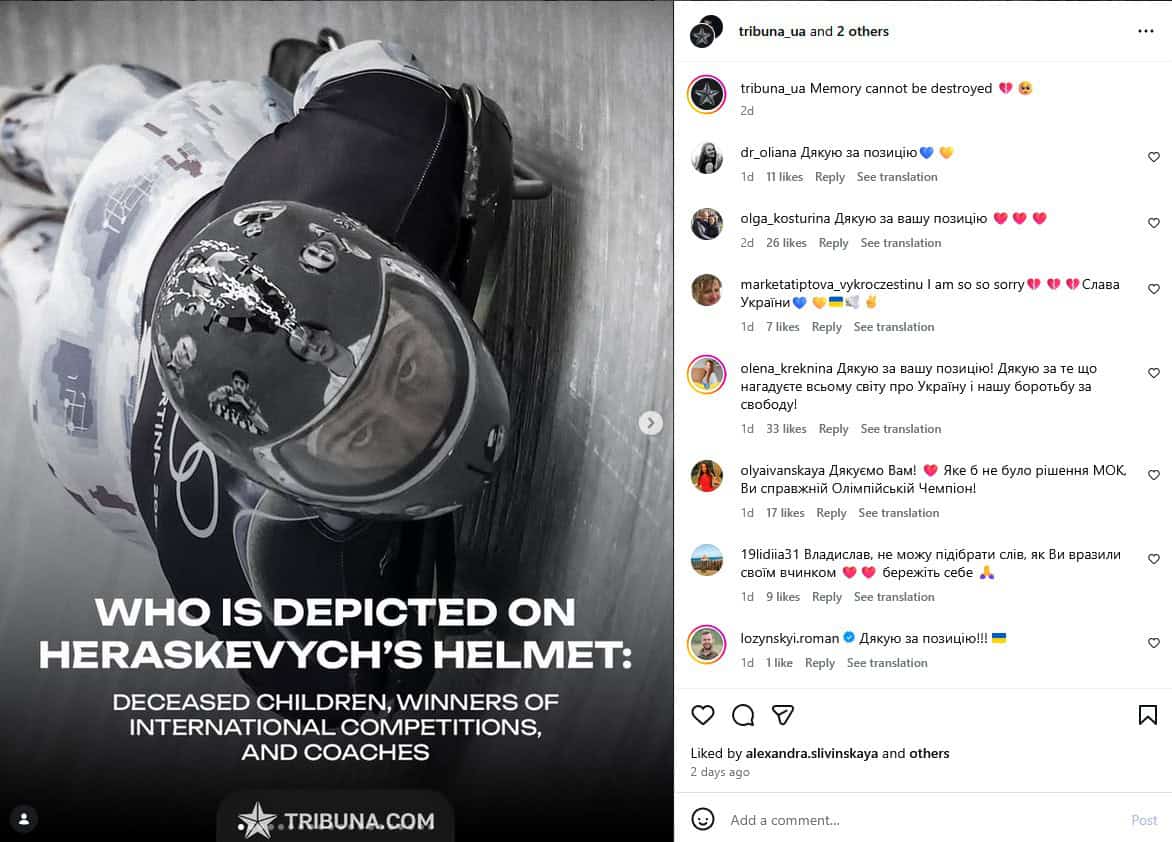
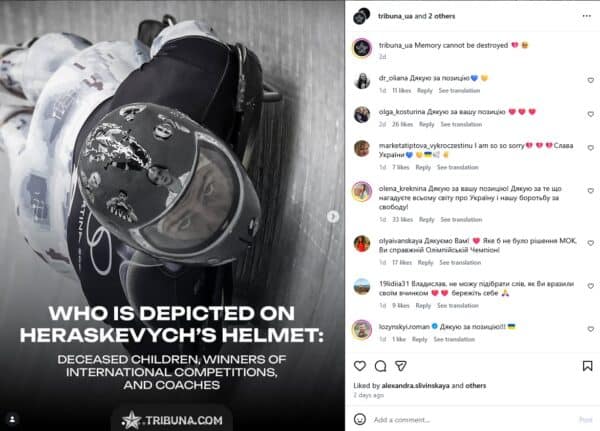
The helmet featured images of Ukrainian sportsmen and women killed during Russia’s invasion. Heraskevych had worn it during training runs at the Cortina Sliding Centre without issue.
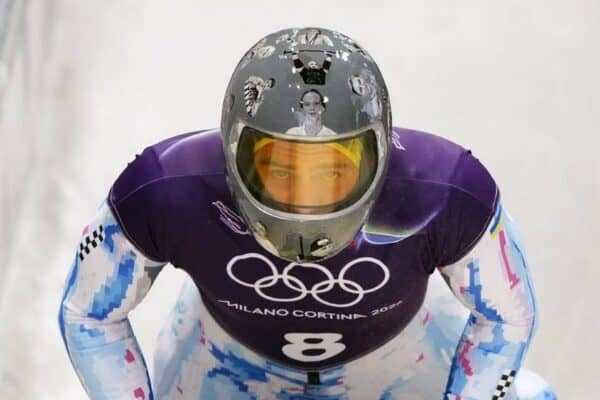
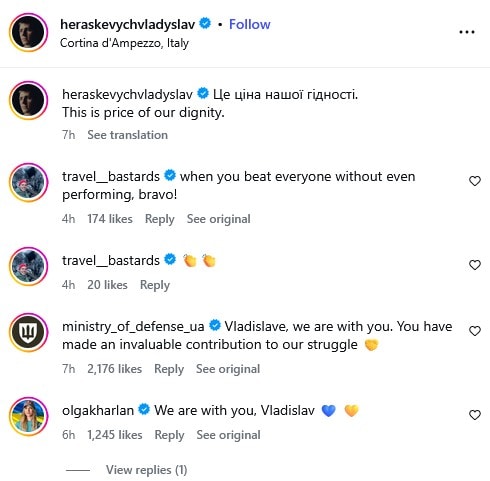
The decision triggered an immediate backlash from Ukraine’s delegation. Heraskevych, who is also Ukraine’s Winter Olympic flag bearer, accused the International Olympic Committee of betrayal for blocking the tribute.
The IOC said the helmet breached Olympic rules on political messaging. As a compromise, officials said Heraskevych would be allowed to wear a black armband instead.
IOC spokesperson Mark Adams confirmed the position, saying officials were trying to keep the athlete in the competition.
“We beg him, we want him to compete,” Adams said when asked whether Heraskevych would be excluded from the Games if he insisted on wearing the helmet.
“I don’t think it is helpful in this situation to look at hypotheticals since we are trying to get him to take part.”
The ruling has reignited criticism of the IOC’s stance on political expression, particularly as Russian and Belarusian athletes are competing at the Games under neutral status.
For Ukraine, the message was blunt. The faces of its dead were deemed unacceptable on the start line.
View this post on Instagram
Vladyslav Heraskevych – examples he cited that others had worn at these Olympics – One of them RUSSIAN!
1. Other forms of Olympic remembrance are allowed
He noted that athletes and teams have previously been allowed to wear black armbands, patches, or symbols to honour the dead at Olympic Games. His point was that remembrance has precedent and is not automatically political.
2. Training approval then race day ban
He highlighted that the helmet was worn openly during official training runs at the Cortina Sliding Centre without intervention. The ban only came once competition began, which he said showed inconsistency and weak enforcement logic.
3. Russian athletes competing while war continues
He pointed directly to Russian athletes being allowed to compete as neutrals while the invasion of Ukraine is ongoing. Some had Russian flags on the back of thier helmets. His argument was that the IOC accepts abstraction for aggressors but not visibility for victims.
IOC heart felt apology
Vladyslav Heraskevych – core argument
1. The helmet is not political campaigning
Heraskevych states the helmet is a memorial, not a protest. It carries images of Ukrainian athletes and coaches who were killed in the war. He argues remembrance of the dead is not a political message and should not be treated as one.
2. The IOC applies its rules selectively
He claims Olympic neutrality is being enforced only when it is inconvenient. He points out that Russian aggression is treated as a political issue, while the consequences of that aggression deaths of athletes are ignored.
3. Ukrainian athletes are being silenced, not protected
Heraskevych says banning the helmet removes the ability of Ukrainian athletes to honour teammates who will never compete again. He frames the decision as silencing victims rather than preserving neutrality.
4. The black armband offer is inadequate
He rejects the IOC’s proposed compromise, saying a black armband strips the context and names from the tribute. According to Heraskevych, anonymity is exactly what the helmet was meant to challenge.
5. This contradicts Olympic values
He argues the Olympic Charter speaks about human dignity and respect. In his view, preventing athletes from honouring those killed defending their country directly contradicts those principles.
6. Allowing neutral Russian athletes makes the decision worse
Heraskevych highlights that Russian athletes are allowed to compete under neutral status, while Ukrainian athletes are punished for visible remembrance. He calls this imbalance morally indefensible.
7. He accepts the consequences
Heraskevych states clearly that he understands disqualification is a possible outcome but considers wearing the helmet more important than competing under conditions he believes are unjust.
Russia and the Olympics explained
The International Olympic Committee has not banned Russian athletes outright.
Instead:
-
Russian athletes cannot compete under the Russian flag
-
They cannot use the Russian anthem
-
They cannot wear national colours
-
They must compete as Individual Neutral Athletes
-
Only athletes who pass vetting and are deemed not to have supported the war are approved
In practice, this means Russians are still competing at the Games, just without national branding.
Why this is controversial
-
Ukraine and several other countries argue this is a de facto allowance, not a ban
-
Russian athletes still train, qualify, race, and medal
-
Ukrainian athletes are competing while their country is under invasion, with teammates killed, injured, or serving on the front line
This context is central to the Vladyslav Heraskevych controversy.
cover image instaagram