
Eight backcountry skiers have been confirmed dead after a major avalanche struck the Castle Peak area near Lake Tahoe in California’s Sierra Nevada on Tuesday 17 February 2026. One more person remains missing and is now presumed dead by authorities. It is one of the deadliest single avalanche incidents in the United States in recent years.
The slide released at about 11.30am local time during an intense winter storm cycle that had already pushed hazard levels high across the region. Fifteen people were caught, a mix of 11 recreational skiers and four professional guides on a three day trip run by Blackbird Mountain Guides. Six survived. Nine were buried.
Rescue teams fought their way in through blizzard conditions. Around 50 personnel were deployed from north and south, using specialised equipment to reach the site. Snowcats were able to get within roughly 3.2 km of the survivors’ position before crews had to ski the remaining distance in extreme weather. Two of the six survivors were unable to walk due to injuries sustained in the avalanche and were carried out. They were later hospitalised with non life threatening injuries.
The group had been finishing a three day excursion based out of Frog Lake Backcountry Huts near Donner Summit at approximately 2300 metres. Survivors reportedly sheltered in makeshift cover and maintained contact using avalanche transceivers and messaging devices, which proved critical in narrowing the search area.
View this post on Instagram
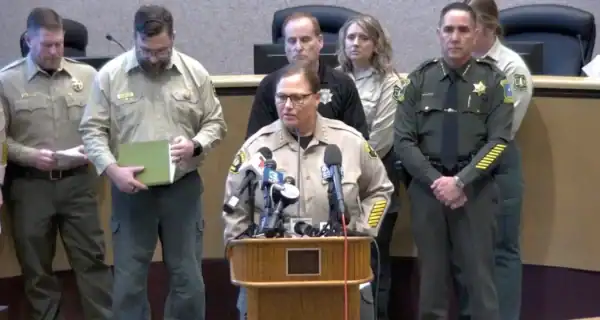
Nevada County officials confirmed eight bodies have been located. Extraction has been delayed due to continued snowfall and unstable snowpack. Since the avalanche, close to 90 cm of additional snow has fallen, compounding the risk of further slides. Authorities have stated clearly that recovery will only proceed when it can be done without placing rescuers in unacceptable danger.
One of those killed was the spouse of a local search and rescue team member, a stark reminder of how small and interwoven mountain communities are. Sugar Bowl Academy confirmed members of its community were among the victims and described the loss as devastating.
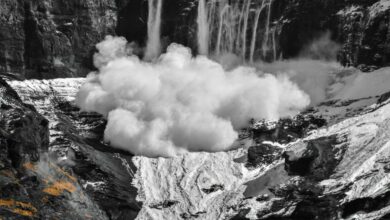
The avalanche was rated around D2.5 on the destructive scale used by the Sierra Avalanche Center, meaning a large and dangerous slide capable of burying people and destroying small structures. The centre had issued a High danger rating for the region prior to the incident, warning that human triggered avalanches were likely.
This tragedy does not sit in isolation. Over the past few months there have been multiple fatal avalanche events across the northern hemisphere. Japan has seen significant losses during heavy snow cycles in Hokkaido and Honshu. Canada has recorded fatalities in British Columbia and Alberta during deep persistent slab conditions. Across Europe, particularly in the Alps spanning France, Austria, Italy and Switzerland, several backcountry and off piste avalanches have claimed lives during high loading storm periods.
In the United States, avalanches have averaged roughly 27 deaths per winter over the past decade, according to national data. The pattern is consistent: large storm totals, wind loading, complex snow layers and human decision making intersect at the wrong moment.
The hard truth is this. Avalanche terrain does not care about reputation, fitness or guiding status. Experience reduces risk but never removes it. When hazard ratings climb to High or Extreme, terrain choice becomes everything. Conservative lines, disciplined group spacing, transceiver, probe and shovel for every member, and a willingness to turn around remain the only real defences.
For now, authorities have urged the public to avoid the backcountry in the Tahoe region while recovery continues. The focus is on bringing those lost home safely and supporting families left behind.