
Elite ski jumping has always lived on the edge of regulation, but a new and deeply strange rumour has pushed the sport into uncomfortable territory.
Claims circulating in Europe suggest some ski jumpers may have attempted to manipulate their body shape to gain an aerodynamic advantage in flight. WADA (World Anti-Doping Agency), the agency was asked about recent rumors that ski jumpers were artificially enhancing their penises in order to jump farther.
The controversy, dubbed “penisgate” by the press, may soon prompt Olympic anti-doping authorities to investigate.

The issue surfaced publicly during a recent press conference held by the World Anti-Doping Agency, where officials were asked whether such practices could fall under anti doping scrutiny.
WADA director general Olivier Niggli said he was unfamiliar with the specifics of ski jumping equipment dynamics but confirmed that any credible performance enhancement concerns would be examined if they related to doping. He noted that the agency does not normally involve itself in non pharmacological performance manipulation.

WADA president Witold Banka added that he would look into the claims, acknowledging the seriousness with which equipment compliance is treated in ski jumping.
The rumours trace back to reporting by the German newspaper Bild, which alleged that some athletes may have attempted to alter the appearance of their bodies during 3D suit scanning. According to the report, the aim would be to secure looser fitting suits that generate more drag and increased lift during flight.
Medical experts quoted in the original reporting warned that such cosmetic procedures would carry health risks and have no legitimate medical purpose. Importantly, no hard evidence has been presented to substantiate the claims.

While the latest allegations remain unproven, ski jumping has recent history when it comes to pushing equipment rules too far. At the 2025 World Ski Championships, members of the Norwegian ski jumping team were penalised after illegal suit seam alterations were discovered around the crotch area. Coaches received lengthy bans and athletes were suspended, reinforcing how aggressively officials now police marginal gains.
Why ski jumping attracts this behaviour
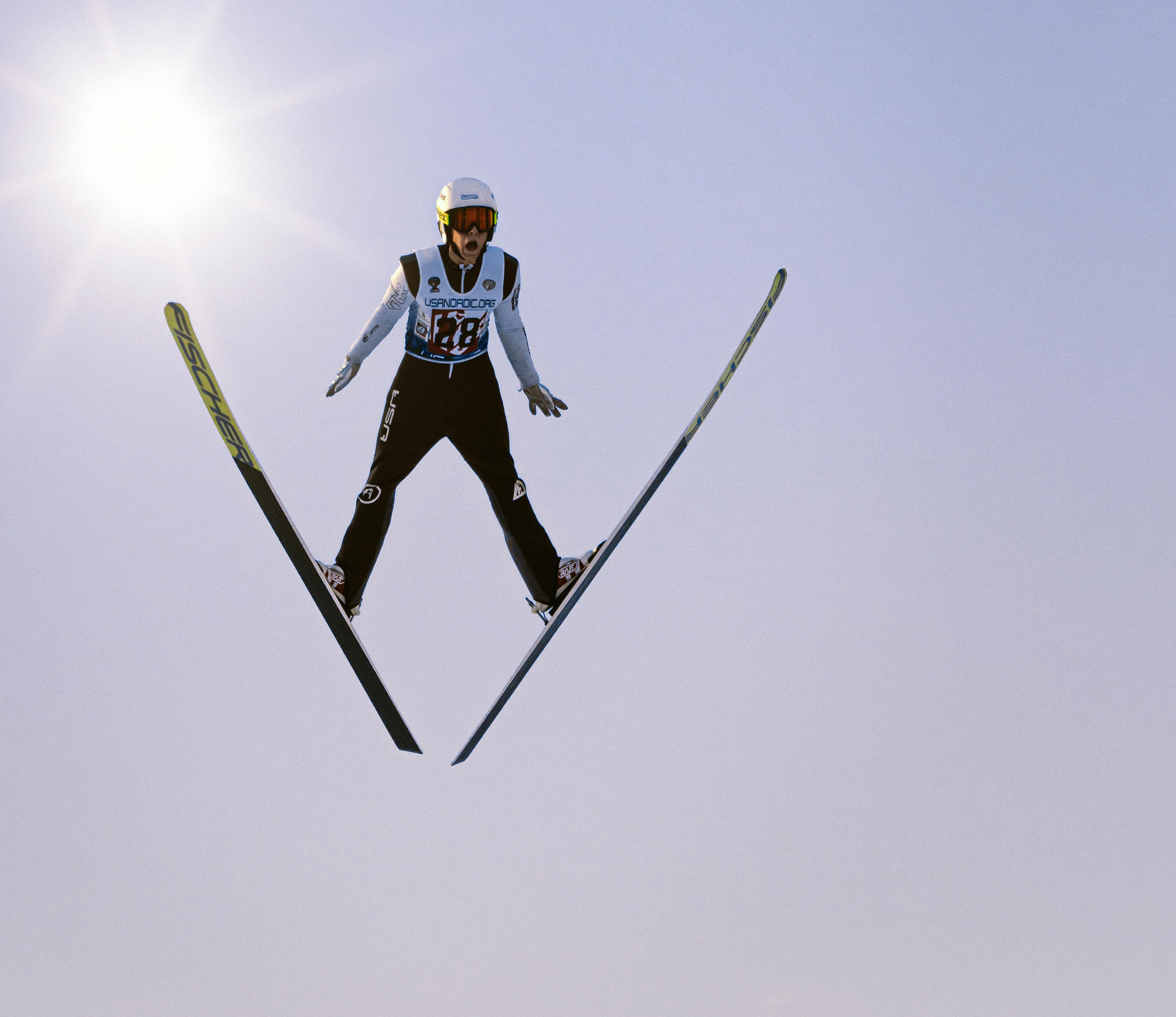
Ski jumping is a sport decided by millimetres and micro angles. A fraction of extra fabric, a subtle shift in airflow, or a minor change in body geometry can translate into metres in the air.
Unlike endurance sports where banned substances are the primary threat, ski jumping’s grey zone sits firmly in equipment design and measurement. That reality makes the discipline especially vulnerable to technical manipulation rather than traditional doping.
The fact that this latest rumour reached Olympic level discussion, even briefly, highlights how seriously governing bodies now treat any attempt to engineer unfair advantage, no matter how unconventional the method.
In a sport where gravity, air and fabric decide outcomes, nothing is dismissed outright anymore.